Dependencies
Dependencies in RepX are primarily data-driven. When one stage consumes the output of another, a dependency is established. RepX handles two types of dependencies: Stage Dependencies (within a pipeline) and Run Dependencies (between separate runs).
Stage Dependencies
Within a single pipeline, dependencies determine the execution order (DAG).
consumer = repx.callStage ./consumer.nix [
  # Explicit dependency on 'producer'
  producer
];
The runtime ensures producer completes successfully before consumer starts.
Run Dependencies
You can also define dependencies between entire Runs. This is useful for separating long-running simulations from quick analysis steps.
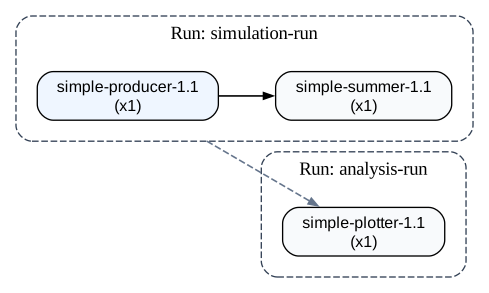
runs = rec {
  simulation = repx-lib.callRun ./run-simulation.nix [ ];

  analysis = repx-lib.callRun ./run-analysis.nix [
    [ simulation "soft" ]
  ];
};
Dependency Types
- Hard Dependency (
"hard"): The dependent run waits for the upstream run to complete successfully. If the upstream fails, the dependent run is not executed. - Soft Dependency (
"soft"): The dependent run waits for the upstream run to finish (success or failure). This is useful for analysis jobs that might want to inspect partial results or logs even if the simulation crashed.
Software Dependencies
At the stage level, software dependencies are handled by Nix.
{ pkgs }:
{
  # ...
  runDependencies = [
    pkgs.python3
    pkgs.ffmpeg
    pkgs.imagemagick
  ];
  # ...
}
These packages are guaranteed to be available in the PATH of the executing job, regardless of where it runs (local, SLURM, container).